


CN
400-915-1979
400-915-1979

Active light-weight calcium carbonate is enhanced in surface activity through a special process and is widely used in fields such as food, plastics, and rubber. The 1250-mesh ultrafine specification features high purity and low impurity content, which can improve product performance and appearance while reducing production costs. During operation, it is necessary to pay attention to moisture prevention and uniform dispersion.
Lightweight calcium carbonate and heavyweight calcium carbonate differ significantly in terms of their sources, bulk density, whiteness, moisture content, particle size, particle shape, crystal form, oil absorption value, fluidity, price and application fields. The details are as follows:
Whether it is heavy calcium carbonate (referred to as heavy calcium) or light calcium carbonate (referred to as light calcium), they are the most widely used and most extensively applied powder fillers in the plastic industry. This article introduces the differences between heavy calcium carbonate and light calcium carbonate from various perspectives such as production methods, bulk density, oil absorption value, whiteness, moisture content, and particle properties.
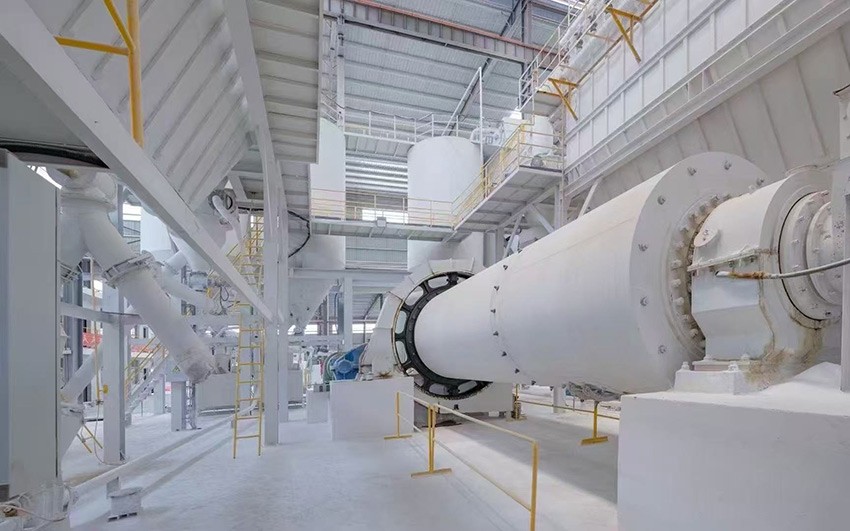
The preparation of active calcium carbonate usually adopts two processes: one is to mix and grind, modify and grade the heavy and light calcium carbons of certain particle size and proportion; the other is to grind the heavy and light calcium carbons separately, and then grade and modify. These two processes are simple, with low equipment investment, and the products can be directly packaged after being discharged, which is particularly suitable for the modification treatment of calcium carbonat
In industrial manufacturing and daily life, nano calcium carbonate is widely used in fields such as coatings, plastics, papermaking and food additives due to its fine particle size and excellent properties. However, with the wide variety of products available on the market, how to select truly high-quality nano calcium carbonate has become a focus of attention for many purchasers and manufacturers.
Heavy calcium carbonate is a widely existing mineral in nature. It is produced by physically crushing high-purity limestone and possesses excellent whiteness, stability and economy. It is widely used in industries such as plastics, papermaking and coatings. In the future, it will develop towards a more refined and functional direction.
Heavyweight calcium carbonate (GCC) optimizes the structure of paper, enhancing the smoothness of touch, dimensional stability and durability, making writing smooth, printing clear, and the paper supple and flexible. It meets all-round needs ranging from household paper to packaging materials.
This article comprehensively analyzes the core differences between heavy calcium carbonate and light calcium carbonate from the aspects of production process, physical properties to application scenarios, and elaborates on the key role of heavy calcium carbonate in industries such as papermaking and plastics, helping users quickly establish an understanding.


Mobile Web

Official WeChat